
#LetsTalkPeriod journey to Bulandshahr
It had been a long while since I conducted a #LetsTalkPeriod outreach workshop. Life, work and time had quietly slipped by, but now it felt right to begin again.
Over the years, I have tried to collaborate with one of the SABERA awardees for these sessions. In the past, it was the girls at the Noida Deaf Society where, thanks to StoneSoup’s collaboration, we distributed cloth pads. Another year, it was the women sanitary workers at PVR Nest — the resilient women maintaining public toilets while slowly transforming those very spaces into learning centres.
This year, the journey took me to Bulandshahr.
I was picked up from Noida by Aryah, founder of iVillage A Family — a social enterprise empowering rural women through livelihood initiatives like stitching cloth bags, rag dolls and Indian flags. We travelled in her mother’s electric Volvo, beginning what would become far more than just a workshop commute.
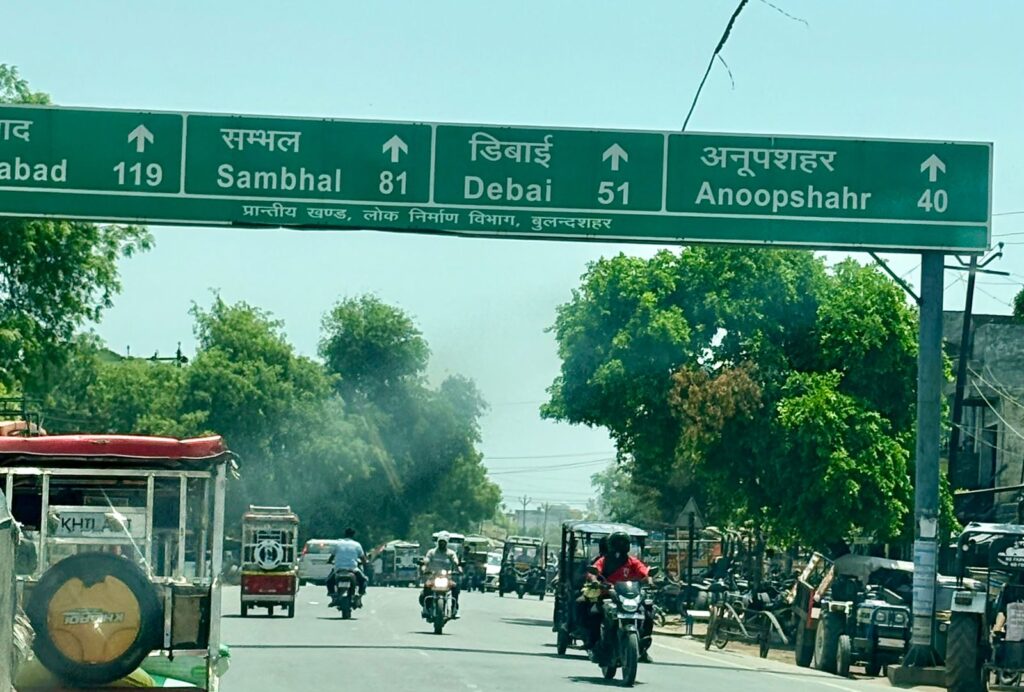
Somewhere along the way, we stopped at Anupshahr, where Aryah’s parental home is located, to switch cars and grab a quick breakfast. The heat was relentless — the hottest day of the season — and I was honestly wondering whether I would be able to do justice to a two-hour menstrual health session while still recovering from a prolonged cough.
But rural India has a way of healing you gently.
Soon enough, I was handed warm water with Amrit Dhara to sip through the day. Somehow, that simple act of care carried me through the workshop and beyond.
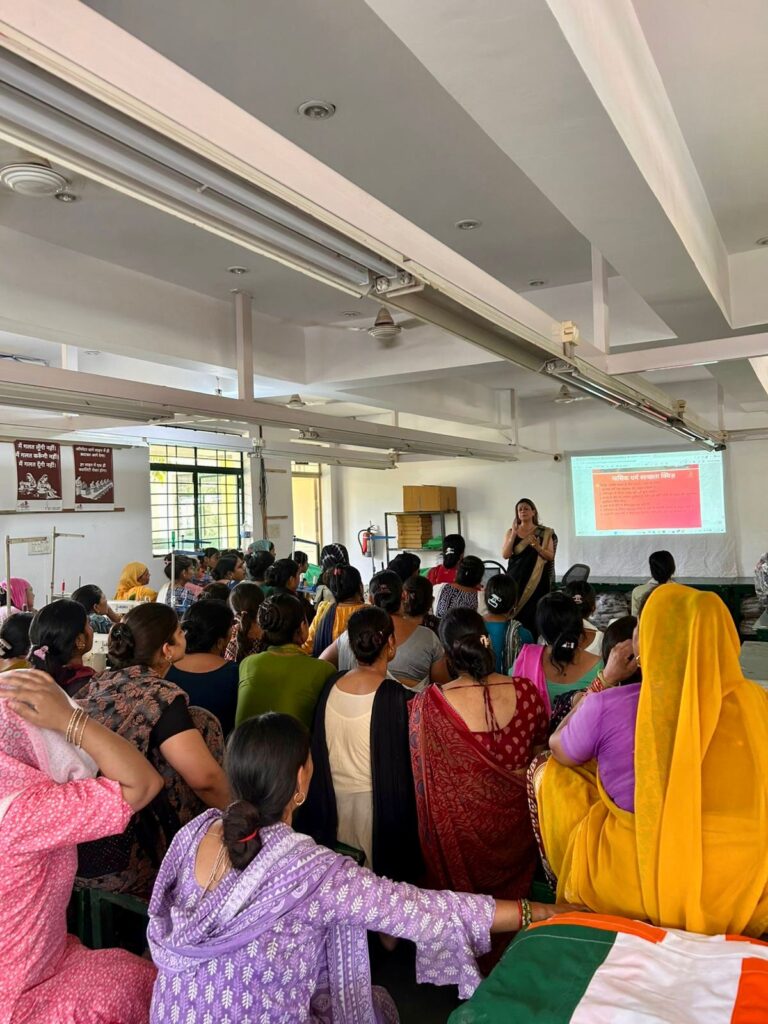
And what a workshop it turned out to be.
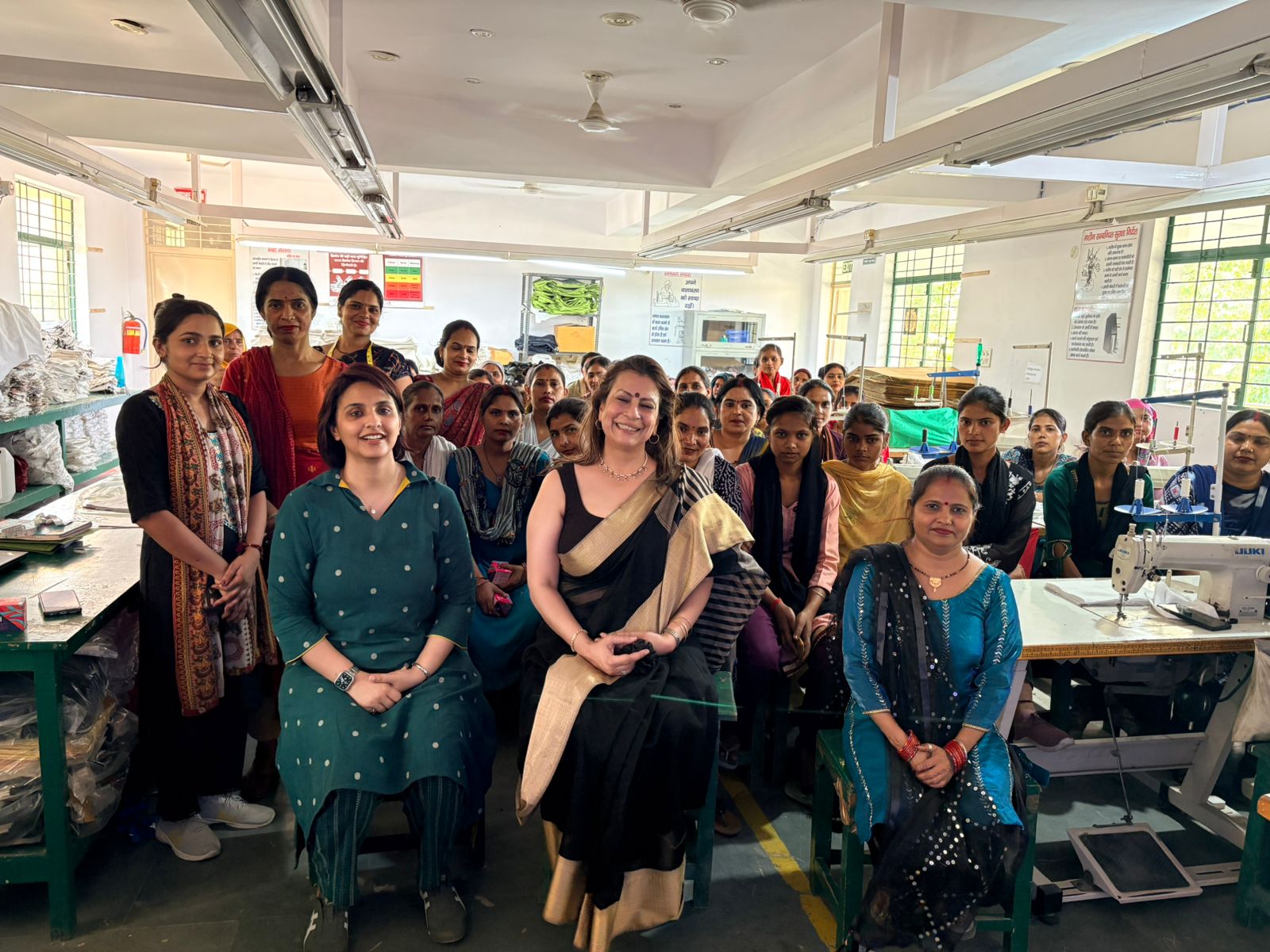
Despite the oppressive heat, women arrived curious, open and willing to engage in conversations around periods — conversations many of them had never had openly before. Questions flowed. Myths surfaced. Laughter broke barriers. Stories emerged.
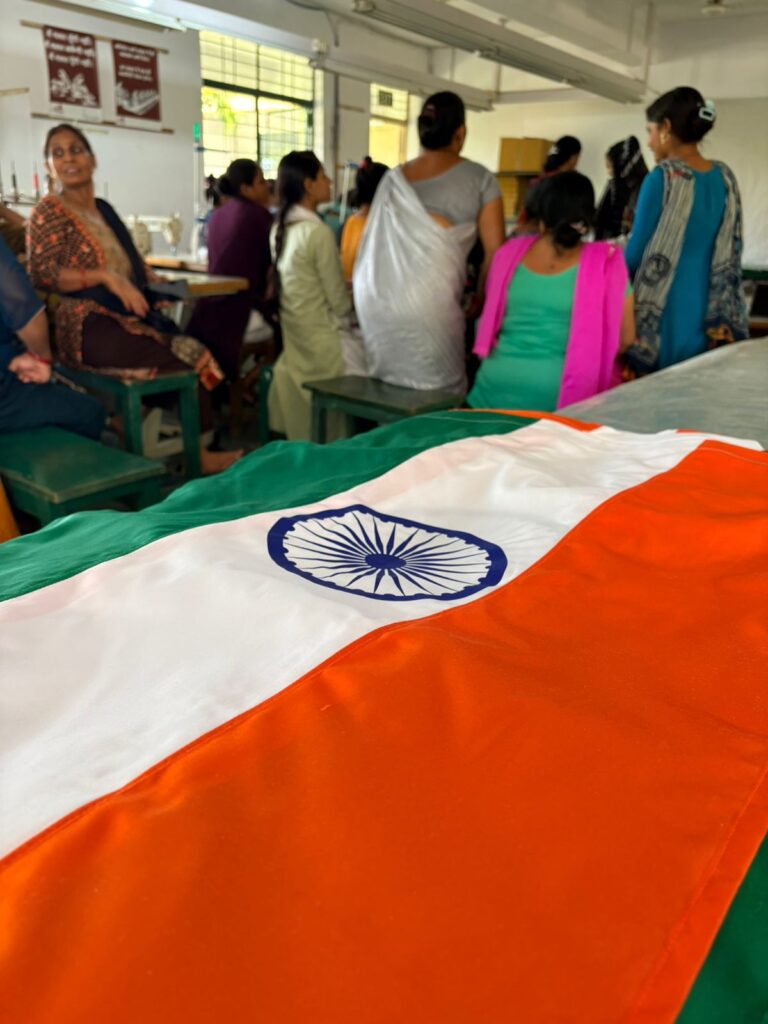
One by one, almost every woman chose to take home a menstrual cup.
The cups distributed were medical-grade silicone cups that can last nearly a decade, significantly reducing the recurring expense and waste associated with disposable pads. We intentionally asked each participant to contribute a token amount of Rs 20 for a cup worth nearly Rs 900. Not because the women could “pay” for it, but because ownership matters. When something is valued, it is often cared for better. The small amount collected was later pooled together into a refreshments kitty for the women themselves.
The most moving moment came unexpectedly.
A seemingly quiet middle-aged woman stood up and spoke spontaneously:
“Thank you for doing this. Humari soch badalne ke liye, taki hum nayee peedhi ko sahi gyaan de sakein.”
(“Thank you for helping change our mindset, so we can give the right knowledge to the next generation.”)
And there it was — the real purpose of #LetsTalkPeriod. Not just menstrual products. Not just workshops. But intergenerational change.
Before leaving, I was introduced to the parent organisation behind the Pardada Pardadi School — an extraordinary initiative working with some of the poorest girls in Bulandshahr. What I witnessed there left a deep impression on me.
The girls are not merely educated academically; they are nurtured holistically through opportunities in sports, music, art and leadership. Each girl has a savings account where Rs 10 is deposited for every day of attendance, creating a corpus by the time she graduates — money that can support higher education or vocational aspirations.
I met four young girls preparing to leave for Japan the very next day on scholarships supported by Dentsu. Another girl proudly represented her hometown at a national sporting platform. Outside stood rows of pink bicycles gifted to girls who travel 20–30 kilometres daily just to attend school.
It was impossible not to feel hopeful.
The man behind this entire initiative
On the drive back, Aryah took me through winding village roads lined with endless fields to visit her ancestral home. The experience felt straight out of Swades — slow, rooted and deeply Indian. The heritage property, lovingly maintained in its original structure by Mr Sam Singh, the NRI who moved back to his roots to start this whole movemnet. It stands as a reminder that development and tradition can coexist beautifully when driven by intent and compassion.
By the time we drove back home, exhausted yet content, I realised the day had become much bigger than a workshop.
It became a reminder that change happens through journeys — through conversations, through women supporting women, through communities daring to rethink inherited silences.
And perhaps that is where every meaningful revolution begins — with a conversation.